
Meteorfall: Krumit's Tale
SlothwerksCard
4.2202.00 Reviews
- Version
- 1.0.306
- Installs
- 100.00K
- Age Rating
- Everyone 10+
Screenshots
Our Review of Meteorfall: Krumit's Tale
 Analysis by Appyee
I like card games that make me think without asking me to spend an entire evening learning a complicated ruleset, and Meteorfall: Krumit's Tale sits in an interesting middle ground. It is a single-player dungeon adventure built around cards, but the cards are not simply a hand you play and forget: their position and possible uses turn each encounter into a small puzzle. That makes it appealing when I want a thoughtful mobile game I can return to in short stretches, though it is less suited to anyone looking for a fast, action-heavy experience.
How a run works, and what to pay attention to
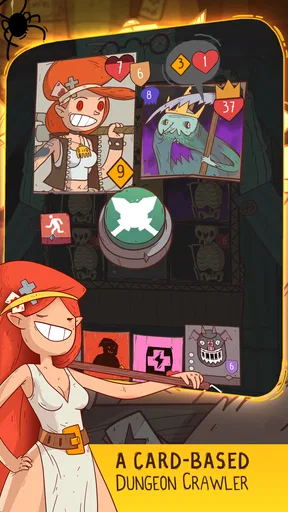
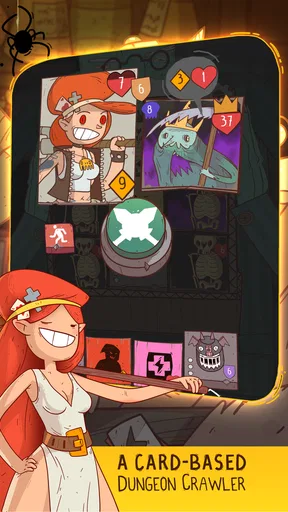
At its simplest, I choose a hero and work through a dungeon, handling enemies and making decisions about the cards in front of me. The central board gives those decisions a spatial element. A card can represent a threat, an item, or an opportunity, and choosing to fight, keep, or sell it changes what resources and options remain. I find that this creates a more deliberate rhythm than a conventional card battler, where the main question is often only which card to play next.
That rhythm is worth understanding before a run gets difficult. I try not to treat every visible card as an immediate task. Sometimes it is more useful to think about the board as a limited workspace: using a card may solve a problem now, while selling or leaving it alone can affect what I can handle next. The practical habit is to pause briefly before committing, especially when a choice spends coins or removes an option. A small check of the whole board often matters more than reacting to the most obvious enemy.
A useful baseline for new players
For a first attempt, I would focus on learning what each choice costs rather than trying to build a perfect strategy straight away. Follow how a hero’s abilities shape encounters, notice which decisions leave you short of coins or useful cards, and treat a defeat as information about the choices that led there. The game’s solo format makes that kind of experimentation comfortable: there is no opponent waiting while you work through a decision.
The board also makes it easier to see why a run can turn. A fight that looks manageable in isolation may be a poor choice if it leaves a more dangerous card occupying space or drains resources you need for a later decision. My advice is to ask two questions before acting: what does this solve now, and what does it prevent me from doing afterward? That habit is more useful than trying to memorize a fixed sequence, because the dungeon and available choices vary between runs.
Settings and the pace of play
Before settling in, I would check the game’s available options on the device I plan to use and make sure the display and audio suit the situation. The presentation is colorful and the interface is clean, but a card game depends on being able to inspect the board comfortably. On a smaller screen, taking a moment to confirm a card’s role before committing is a sensible routine; if I am playing somewhere noisy, adjusting sound to fit the setting can make a quiet session easier to manage.
I would also think about when I want to play. This is a game that rewards attention more than reflexes, so it can fit a break or a relaxed evening, but it is not ideal if I am repeatedly interrupted and expect to make good decisions while distracted. I prefer to begin a run when I have enough focus to follow its choices, rather than opening it in the middle of another task and treating it like a mindless filler.
Habits that make decisions quicker
As I get more familiar with the board, I can make decisions faster without turning the game into autopilot. I scan the available cards first, identify the immediate pressure, then check which action would preserve the most useful options. That three-step glance helps me avoid spending coins just because they are available or taking a fight simply because it is the most visible choice. It is a repeatable workflow, not a secret trick, and it keeps the strategic part of the game intact.
Changing heroes is another good way to test whether a habit is genuinely strong. If I rely on one approach with every character, I may miss how a different set of abilities changes the value of a card or resource. I find it more useful to make one adjustment at a time—pay closer attention to a hero’s strengths, for instance—than to change everything after a loss. That makes it easier to understand what worked and gives each new run a clear purpose.
Where its depth has limits
The compact board is a strength, but it also means the game’s choices can feel constrained rather than expansive. Players who enjoy building a large deck, collecting a long list of upgrades, or taking part in competitive matches may prefer a different card game. Krumit's Tale is about managing a run’s immediate options, not about battling another person or endlessly tuning a deck between matches. Its solo focus is part of its appeal, but it is also a clear boundary.
There is a learning curve to judging what a decision will cost later, and a run can feel frustrating if I make several poor trades before understanding their consequences. The changing dungeon helps keep repeat play from feeling identical, yet familiarity with its basic loop is still important; anyone who dislikes replaying a run to learn from mistakes may not enjoy that process. I also would not choose it for a quick burst of spectacle. Its pleasure comes from considering a board, not from constant motion.
Who I would recommend it to
For the right player, the game is easy to fit into ordinary downtime. Imagine waiting for a friend who is running late: I can open a run, examine the board, and make a few considered choices rather than needing a long uninterrupted session devoted to a sprawling role-playing game. The same measured pace suits someone who likes solving small tactical problems on a phone. If interruptions are frequent, though, I would choose a simpler game that does not ask me to keep track of several connected decisions.
Compared with many card games, its distinctive appeal is the board-based management of cards rather than only the construction of a deck or the timing of a hand. Compared with a conventional roguelike, it puts less emphasis on real-time movement and more on evaluating trade-offs. That makes it a good pick for a strategy fan who wants a self-contained solo challenge, but a weaker fit for someone seeking multiplayer competition, brisk action, or a card game centered on collecting and customizing a large deck.
Some practical questions matter before buying. It is a paid game at $6.99, and in-app purchases are listed at $1.99 per item, so I would consider the upfront cost and the presence of optional purchases together rather than assume it is a free download. Slothwerks is the developer, and the game is rated Everyone 10+. It has an average rating of 4.3 from around 1,700 ratings, which gives a rough sense of how players respond but cannot tell me whether its particular pace will suit me.
It was released on September 1, 2020, and the current version is 1.0.306; the minimum operating system listed is 7.1. It has over 100,000 installs. I would check that my device meets the operating-system requirement before buying, then decide whether I want a focused solo card game rather than expecting a free-to-play loop or social competition. Those are more useful questions than the raw popularity figures when deciding if it belongs on my phone.
Getting to Know the World of Krumit's Tale
First things first, let's talk about what Krumit's Tale really is. This game is the sequel to the popular Meteorfall: Journey, and it takes the same delightful universe and expands it with new twists. You start by choosing a hero, each with their own unique abilities and decks. The goal? To navigate through a series of dungeons, defeating monsters and bosses while collecting loot along the way. Sounds familiar, right? But here’s where it gets interesting.
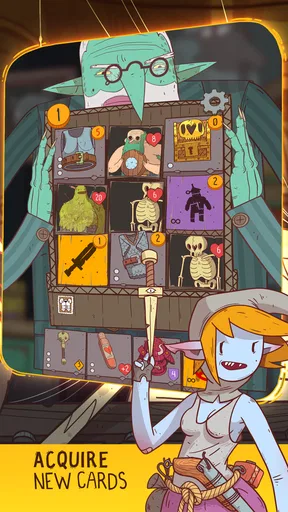
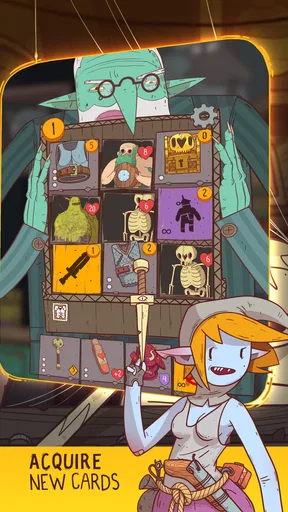
The game employs a grid-based system where cards are placed on a 3x3 board. You’ll need to strategically manage these cards, deciding whether to use them for their abilities, sell them for coins, or save them for future battles. It’s a compelling mix of strategy and resource management that keeps you on your toes.
The Art and Atmosphere
One of the first things that caught my eye was the game’s art style. It’s quirky and colorful, with a slightly hand-drawn look that adds a lot of character. The animations are smooth, and the UI is clean, making the game not only fun to play but also easy on the eyes. The sound design complements the visuals perfectly, with catchy tunes and sound effects that immerse you deeper into the world of Krumit's Tale.
Gameplay Mechanics and Strategy
Now, onto the meat of the game—the gameplay mechanics. As someone who loves strategy games, I found the grid-based card system to be a refreshing change from the typical format. Each decision feels impactful, whether it's battling a monster, equipping an item, or spending coins. The challenge ramps up as you progress, with tougher enemies and more complex decisions to make.
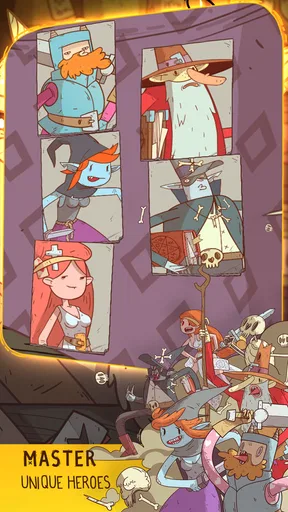
Each hero you choose alters your strategy significantly. Do you prefer the brute strength of Brokk, the warrior, or the cunning spells of Greybeard, the wizard? Each playthrough feels unique, encouraging you to experiment with different strategies and combinations. And trust me, once you get hooked, you'll want to try them all.
Replayability and Progression
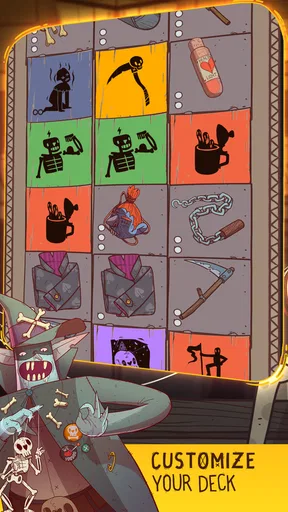
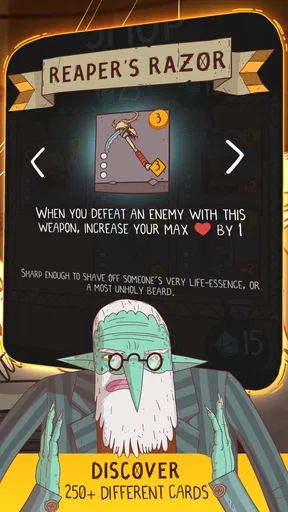
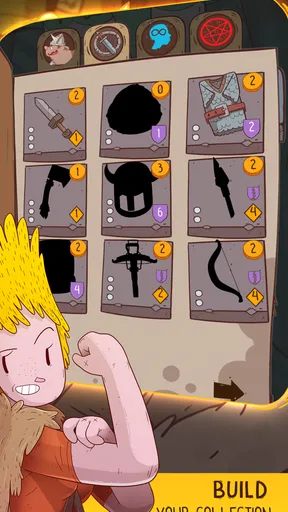
One of the game’s strongest suits is its replayability. With procedurally generated dungeons and a variety of heroes to choose from, no two runs are the same. The progression system is rewarding, allowing you to unlock new cards and abilities as you play. This keeps the game feeling fresh and engaging, even after multiple playthroughs.
The difficulty curve is well-balanced, offering a fair challenge without being overly punishing. It's one of those games where you learn from each defeat, gradually improving your skills and strategies. Plus, the satisfaction of finally conquering a tough dungeon is immensely rewarding.
Final Thoughts
So, is Meteorfall: Krumit's Tale worth your time? Absolutely. Whether you're a fan of deck-building games, love strategic challenges, or just enjoy a game with a bit of humor and charm, Krumit's Tale delivers on all fronts. It's a game that doesn't take itself too seriously, yet offers enough depth to keep you coming back for more.
In a world where mobile games often fall into repetitive loops, Krumit's Tale stands out as a breath of fresh air. So, if you’re ready to embark on a quirky and strategic adventure, give Meteorfall: Krumit's Tale a try. You might just find yourself glued to your screen, plotting your next move in the ever-enticing grid of cards.
Verdict
Strengths of Meteorfall: Krumit's Tale
- Engaging roguelike deck-building gameplay.
- Charming hand-drawn art style.
- Strategic depth with various characters.
- Offline play available for on-the-go fun.
- Frequent updates with new content.
Limitations of Meteorfall: Krumit's Tale
- Can be challenging for beginners.
- Limited initial tutorial guidance.
- Occasional in-game lag on older devices.
- Card progression can feel slow.
- No multiplayer or co-op modes.
Other Releases by Slothwerks
View All
Meteorfall: Journeys
Card4.2
Similar Picks in This Category
View All
Solitaire - Classic Card Games
MobilityWare4.6

UNO!™
Mattel163 Limited4.3

Spider Solitaire: Card Games
MobilityWare4.6

Solitaire.com - Classic Cards
Tripledot Studios Limited4.7

Plants vs. Zombies™ Heroes
ELECTRONIC ARTS4.1

Hearthstone
Blizzard Entertainment, Inc.4.1
Frequently Asked Questions
What is the gameplay like in Meteorfall: Krumit's Tale?
Meteorfall: Krumit's Tale is a roguelike deck-building game that combines strategic gameplay with unique visual elements. Players navigate dungeons using a grid-based system, collecting cards to build powerful decks. Each decision impacts your journey, requiring careful planning and adaptability. The game’s quirky art style and engaging mechanics keep players entertained throughout their adventure.
Is Meteorfall: Krumit's Tale suitable for beginners?
While Meteorfall: Krumit's Tale has a learning curve, it is accessible for beginners. The game provides tutorials to help new players understand the mechanics. As you progress, the challenges increase, but the intuitive interface and helpful tips ensure that newcomers can gradually master the intricacies of deck-building and strategic planning.
What platforms is Meteorfall: Krumit's Tale available on?
Meteorfall: Krumit's Tale is available on both Android and iOS platforms. This makes it convenient for mobile gamers to enjoy the game on their preferred devices. The seamless interface and optimized performance ensure a smooth gaming experience, whether you're playing on a phone or tablet.
Does Meteorfall: Krumit's Tale require an internet connection to play?
Meteorfall: Krumit's Tale is designed to be enjoyed offline, making it a perfect choice for gamers who prefer not to rely on a constant internet connection. This feature allows players to engage with the game anywhere, from commutes to remote locations, without worrying about connectivity issues.
Are there in-app purchases in Meteorfall: Krumit's Tale?
Meteorfall: Krumit's Tale does include in-app purchases, which allow players to enhance their gameplay experience. These purchases are optional and designed to support the developers. The game can be fully enjoyed without spending extra money, ensuring a fair and balanced experience for all players.
Play our best games!


